The beginning
Christian and I knew each other from a joint project at UBS. At some point it became clear to both of us: we wanted to do something meaningful, something of our own. We quit. Yapeal wasn't the first thing we had on the table. But it was the idea that stuck.
A Swiss bank that is not built on legacy systems, but is cloud-native and real-time from day 1. No customer account that night processed becomes. No three-day wait for transfers.
I was one of the first people in the core team. Bootstrap, your own money, no backer in the background. In June 2018, Yapeal entered the commercial register with fifteen co-founders. Unusually many. But the idea from the start was to anchor the company broadly, not to build it as a one-man vision.
My mission: give the thing a face. Before there was an app. Before there was a license. Before there was even an official company name.
Naming: Yap → Yappeal → Yapeal
We wanted a name with substance. Yap is a Pacific island famous for its stone money: massive boulders that serve as currency without ever physically changing hands. A story about trust, consensus and symbolic money. Exactly what a digital bank is all about at its core.
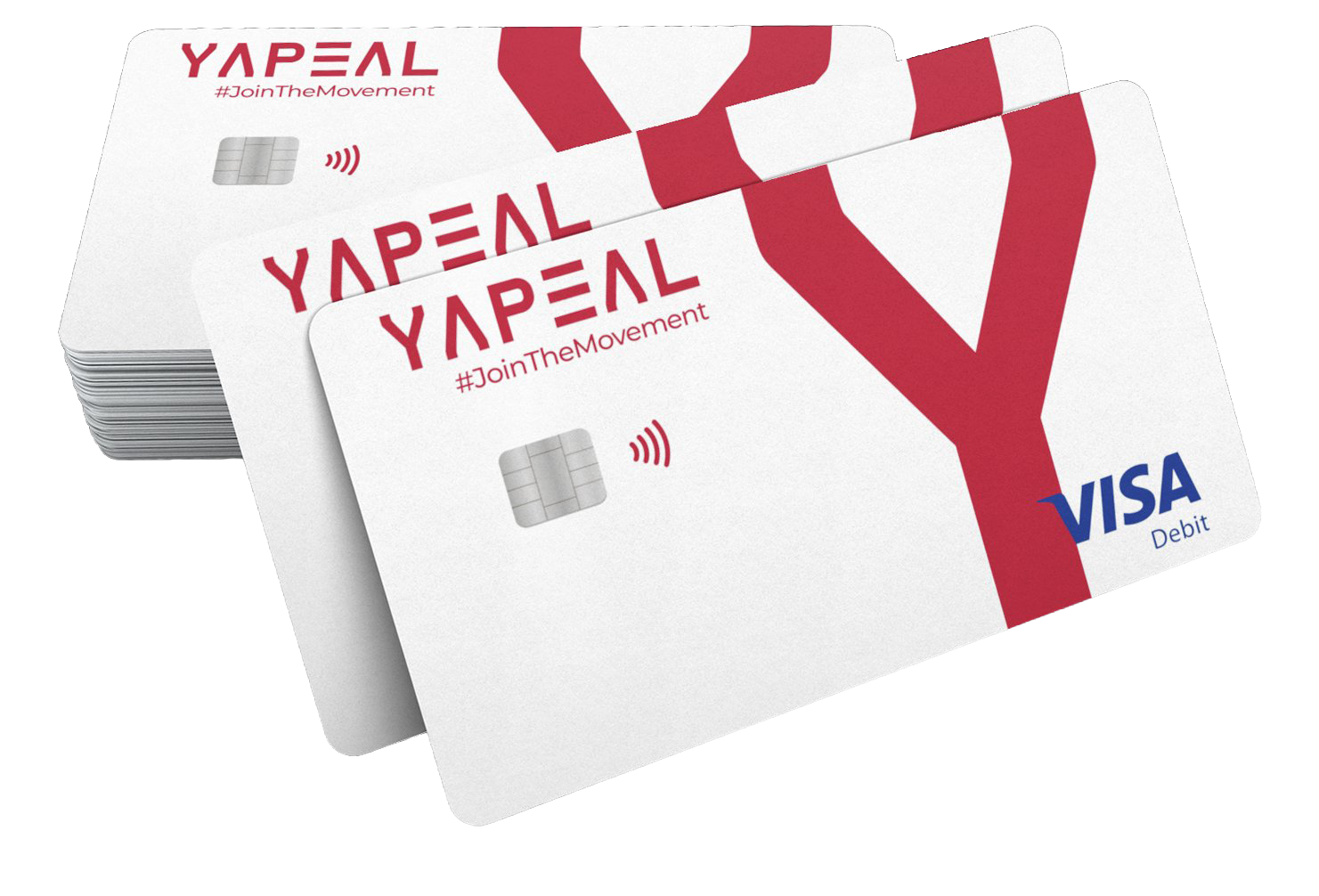
Then I wanted it too appealing sounds. This became Yappeal. When designing the logo: which I made myself: I decided to delete a p. Yapeal seemed cleaner. I purchased the free URLs at the end of 2017.
The brand was born before the company even existed.
From a ridiculed startup to an industry darling
The start was tough. A Swiss neo-bank without a banking license, without backing from a major bank, without a finished product. The industry didn’t really take us seriously at the beginning.
I started shooting this. About community building. About transparency instead of PR gloss. About personal visibility on LinkedIn, in podcasts, in interviews, on stages. MoneyToday has been with us “since the first line of code”. I became the face of Yapeal: not because I planned it, but because a brand without people doesn't work in the Swiss financial center.
The alpha community grew to around 100 early testers, the later community to around 2,000. During our first crowdfunding, we collected almost 1 million CHF in 6 days, with low barriers to entry, because we weren't interested in capital, but in turning the community into co-owners.
The turning point
The turning point came in March 2020: FINMA license. The first ever. The FINMA work itself was in the hands of a colleague. I accompanied them communicatively. But the impact was to the brand what a moon landing is to NASA.
From then on all eyes were on us.
We delivered.